
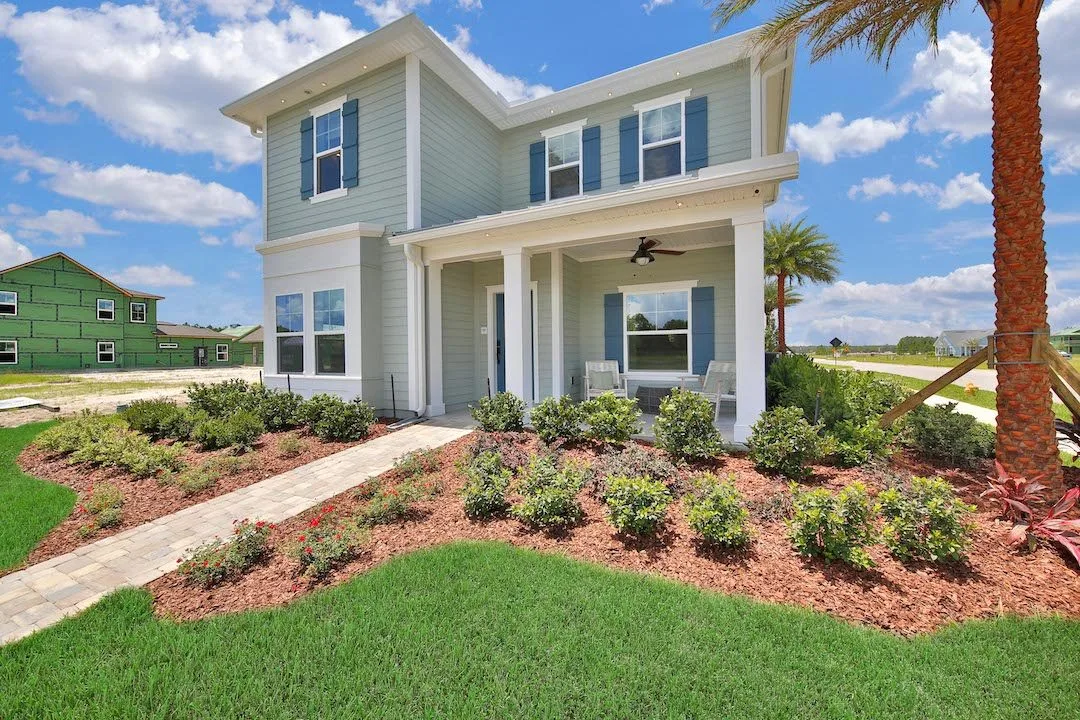
One of the most exciting milestones in life is deciding to buy a new construction home. At Dream Finders Homes, we believe that selecting the right New Home Floor Plan is more than just picking a house — it’s about designing a lifestyle that fits you and your family. From the size and shape of the home to how the rooms are arranged, every element of your layout can affect your daily living. That’s why understanding your needs and preferences before selecting a floor plan is absolutely essential.
Your home layout ideas should reflect how you want to live, relax, work, and grow in the space. A well-thought-out custom home design makes life easier, more comfortable, and more enjoyable in the long term. Whether you’re planning for a growing family, a flexible work-from-home lifestyle, or simply looking for functionality, these floor plan tips will help guide your decision.
1) Determine the Right Size for Your Lifestyle
Choosing a New Home Floor Plan should begin with an honest assessment of how you live day to day. While many people focus first on square footage, the overall layout and use of space matter even more. Start by identifying your must-haves:
- How many bedrooms and bathrooms do you really need?
- Do you need a separate guest room, or can it double as an office or home gym?
- Do you entertain often and need open spaces for gatherings?
- How much storage space is ideal?
Ask yourself what you wish your current home had — or what space you no longer want or use. A well-sized home is not about going bigger; it’s about being smarter. Focus on spaces that serve your lifestyle now and into the future.
2) Align the Layout with Your Daily Routines
Your home should work for you, not the other way around. A key element of a successful custom home design is tailoring the layout to suit your routines, habits, and personal preferences.
- Do you work remotely? Consider a floor plan with a quiet office or den.
- Have kids? A bonus room or playroom may help keep things organized.
- Love to cook and entertain? Look for open kitchens with seamless transitions into dining and living areas.
- Prefer privacy? A split-bedroom plan could give you and guests or children more separation.
- Need a flex space? Modern designs often include versatile rooms that can evolve with your family’s needs.
Remember, home layout ideas should reflect how you truly use your home — not just what looks nice on paper. Think beyond aesthetics and into functionality.
3) Let Instinct and Comfort Guide Your Decision
While it’s important to be practical, don’t ignore how a space feels. You’ll naturally know when a floor plan feels “right.” Pay attention to your first impressions when reviewing layouts, either online or in person.
For example, parents with young children may prefer all bedrooms on one level for proximity, while those seeking privacy might want the primary suite on the opposite side of the house. If you love sunlight, consider a plan that emphasizes natural light and large windows in living areas. If noise is a concern, steer clear of layouts where bedrooms back up to living rooms or kitchens.
When in doubt, trust your gut. The right New Home Floor Plan will feel intuitive and comfortable — not just logical.
Final Thoughts
Choosing a New Home Floor Plan is an exciting opportunity to shape your future living experience. By considering your current and future needs, exploring smart floor plan tips, and thinking deeply about your home layout ideas, you’ll be able to select a plan that fits your life perfectly.
For even more inspiration, explore resources like Architectural Digest for the latest in design trends and custom home design ideas.
Start with your lifestyle, plan for your future, and let your instincts guide you — your dream home is waiting to be built.
Choosing a New Home Floor Plan should start with how you envision living in your new home, what type of layout works best, and how you would use each space.


